

Andrew Dawber, founding partner at Civitas Investment Management, explains how the real estate sector can play a vital role in delivering both sustainable returns and lasting social value.
Measuring social value in real estate and infrastructure investment has historically been less tangible than financial returns. Tricky to measure and without access to universally accepted metrics, investors are now increasingly looking at establishing their own calculations for social impact and responsibility.
The ability to clearly evidence both impact and ESG performance is becoming a key differentiator for real estate and infrastructure managers, particularly in a challenging and extremely competitive fundraising environment. Despite much talk of a retrenchment on ESG, the intentional pursuit of evidenced impact alongside financial returns for investors, including LGPS, will not stop anytime soon.
Alignment with recognised reporting frameworks undoubtedly strengthens the investment proposition we put forward to investors. The Good Economy, EPRA, GRESB, GIIN and PBIIN are great examples of accreditations that can assess both company and fund level activity to quantify social impact. The outcomes they measure are tailored and aligned to specific sectors and assets and can look, for example, at the number of social and specialist homes that meet national space standards, or energy efficient requirements as well as the number of people housed or jobs created during construction.
By way of example, at Civitas we use “Theory of Change” frameworks developed with various advisers, including The Good Economy, to quantify the number of vulnerable adults housed in the homes we build and the number of individuals reporting better health and wellbeing outcomes as a result. From this we can calculate how much cost is diverted from a pressured healthcare system and the taxpayer, for every £1 that we invest.
The diversity of real estate and infrastructure investment strategies means that benchmarking can be difficult and there are multiple criteria and outcomes, so measuring social impact has to be tailored.
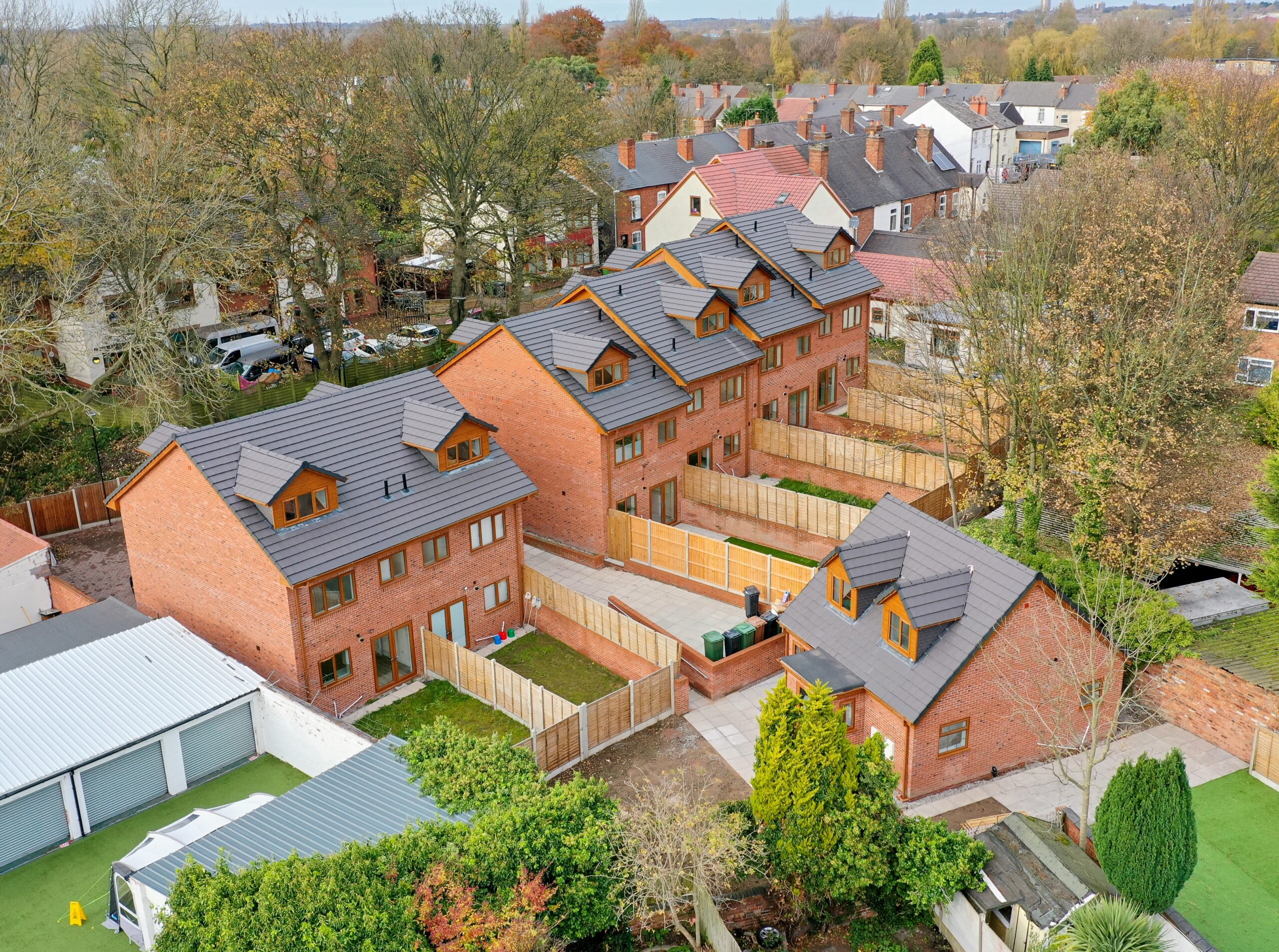
We consider the sectors we invest in – elderly and residential care, social and affordable housing and schools for children with special educational needs – as (vital) social infrastructure. Our investments are underpinned by underlying government funding in areas and sectors of strong demand generating long-term, reliable, inflation-indexed income streams, which are features that LGPS require.
This gives us the advantage of placing social impact at the heart of the investment rather than as an additional layer to it.
The social infrastructure of the type that Civitas focuses on offers people care, support and housing in their local communities, improving their health outcomes and help them live more independent and fulfilling lives. This lends itself to the objective measurement of social impact enabling comparative analysis to be undertaken.
Without private investment in the fabric of social infrastructure in the UK and Europe, pressure is added on both social and primary care sectors which are already strain.
The main challenge in delivering and measuring social impact in this case lies in the operational aspect of the assets which is fundamentally important to the residents, therefore, monitoring and assessing the quality of care, support and housing provided is essential.
To assist this, we have our own Quality Assurance Board run by experienced healthcare professionals at Civitas as well as external advisors which constantly monitors that the operations of our assets meet the highest quality standards.
Partnering with best-in-class care and education operators and providers is also key in delivering social impact objectives.
A good operator will define a good investment because people housed or cared for will report improved physical health, social connection to others, higher confidence and independence levels and an excellent support networks.
So how is this relevant to LGPS? They are well suited to this approach due to their long-term investment horizons. For institutions focused on income stability, local impact and responsible stewardship, this combination of dependable returns and tangible societal benefit which is proactively measured is increasingly attractive.
It is also more accessible now due to recent consolidation into larger investment pools which reduces management fees. When capital is deployed in ways that address real societal needs, both investors and local communities benefit.
Balancing financial performance with social purpose is not simply possible, it is increasingly necessary to access many pools of institutional capital. By continuing to develop investment models that combine impact with scale, the real estate sector can play a vital role in delivering both sustainable returns and lasting social value.