


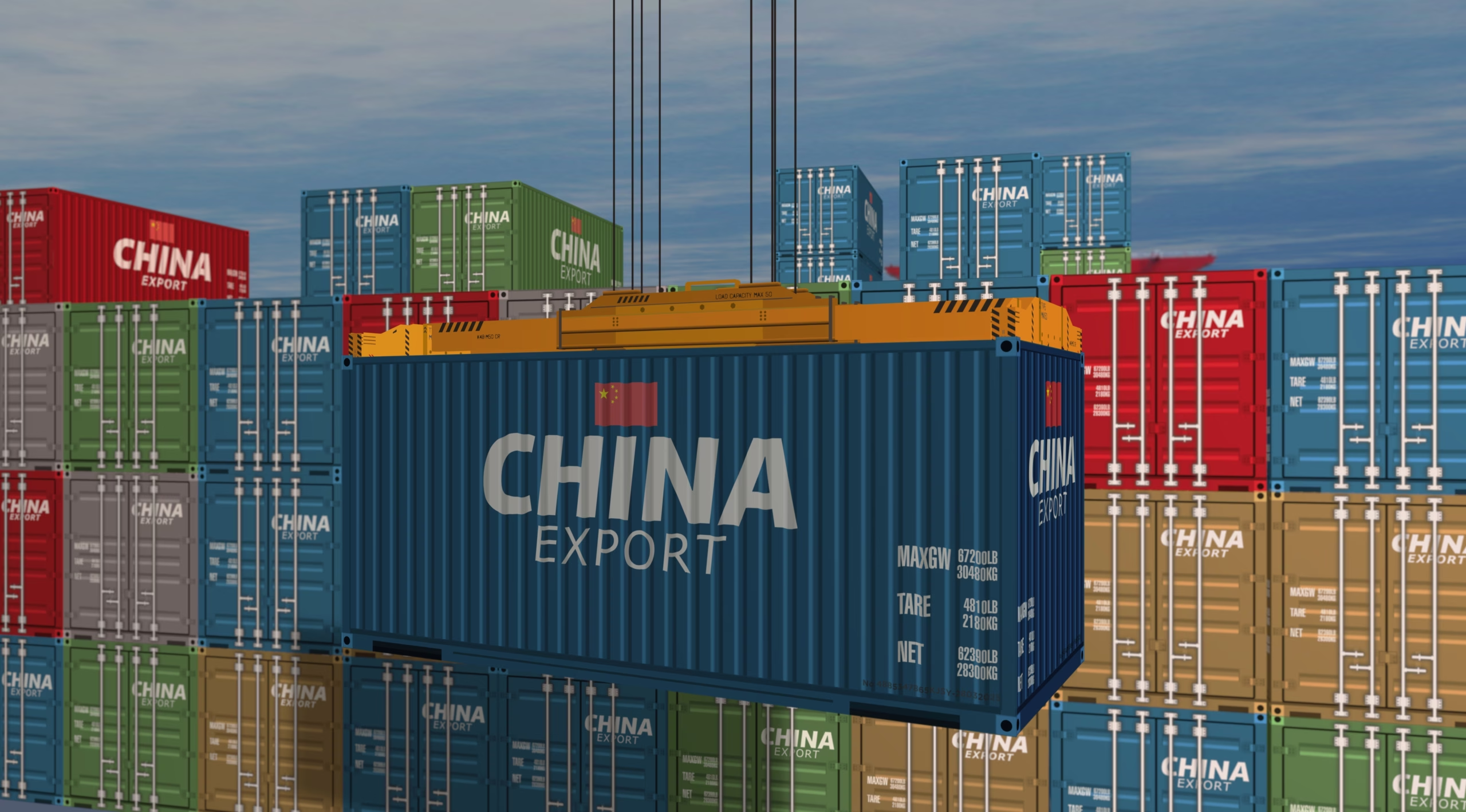
While companies may want to pursue “China+1”, a strategy of diversifying supply chains outside of China, Steven Luk, CEO of Fountain Cap contends that China’s control over critical inputs and advanced tech makes it irreplaceable.
The limits of China+1
The conventional “China+1” narrative that assumes supply chains will steadily move away from China are coming undone especially as most countries around the globe struggle on energy security and under invest in their infrastructure. Recent trade data reinforces such trend.
In Q1 2026, China’s total foreign trade reached RMB11.84 trillion, equivalent to approximately USD1.73 trillion, with exports of RMB6.85trn and imports of RMB4.99 trillion, implying a trade surplus of roughly RMB1.86 trillion, or around USD270 billion. This follows a record USD1.189 trillion trade surplus in 2025.
More importantly, the composition of exports continues to move up the value chain, with mechanical and electrical goods accounting for 63.4% of exports, while electric vehicles and lithium batteries grew 77.5% and 50.4% year-on-year, respectively.
At the same time, China remains deeply embedded in upstream bottlenecks, controlling around 70% of rare earth mining, approximately 90% of separation and refining capacity, and more than 90% of permanent magnet production.
For LGPS investors, the implication is clear: while final assembly can migrate, the most difficult-to-replace parts of the global supply chain remain structurally anchored in China’s industrial ecosystem.

Energy and geopolitics: reinforcing competitive advantage
Geopolitical tensions, particularly around energy security and supply-chain resilience, are reinforcing China’s position rather than weakening it.
China’s imports surged by 27.8% year-on-year in March 2026 during the height of the Iran crisis, reflecting both strategic stockpiling and the ability to secure critical inputs during periods of global disruption.
Compared with many other manufacturing hubs, China benefits from diversified sourcing, long-term supply arrangements and meaningful domestic capacity.
This is especially important for energy- and resource-intensive sectors, where volatility in input costs can quickly erode competitiveness. In this context, fragmentation does not necessarily reduce China’s relevance; it may further concentrate activity around economies that can provide scale, supply security and industrial depth.
For long-term allocators, this shifts the debate from whether companies can diversify away from China at the margin to whether global supply chains can realistically function without China at the core.

Four structural drivers reshaping China’s investment case
Recent on-the-ground engagement across Shanghai, Suzhou, Hefei and Shenzhen highlighted a persistent gap between external perception and operating reality.
While foreign capital flows into China remain subdued, allocator interest has been rising as investors seek primary insight rather than relying solely on headline narratives. Four structural trends stand out:
- Healthcare innovation is becoming globally relevant: China now represents over one-third of globally active clinical assets that are originally developed or co-developed by Chinese companies, with internal observations highlighting more than USD60 billion of out-licensing deals in Q1 2026.
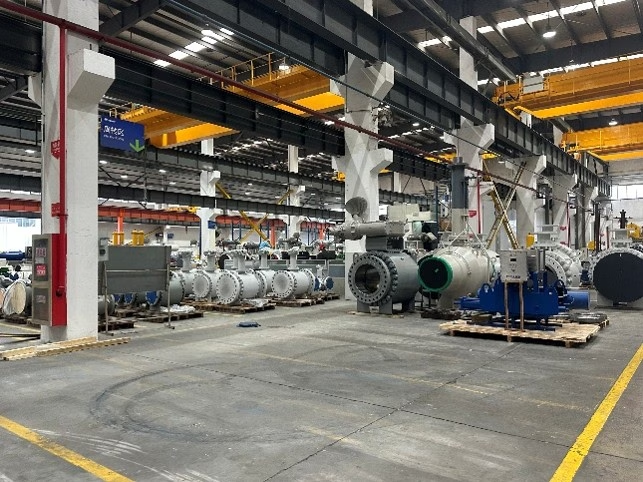
- Advanced manufacturing leadership continues to deepen: China now produces nearly one-quarter of global output across advanced industries and leads in seven of ten key sectors. China is also the only country in the world that produces in every single industrial category in the U.N. International Standard Industrial Classification.
- Consumption is upgrading through experience: younger consumers are shifting away from material ownership toward travel, dining, wellness and identity-led experiences, favouring specialist brands.
- AI and automation are becoming productivity drivers: China has installed more than half of the world’s industrial robots since 2021 and is increasingly embedding AI and robotics into manufacturing, agriculture and services, reducing labour dependency and enhancing margins.
Portfolio implications: an under-owned source of diversification
For UK LGPS investors, the portfolio implications are structural rather than cyclical. Developed markets are increasingly concentrated: the ten largest stocks in the S&P 500 now account for over 1/3 of the index, with returns and earnings growth increasingly dependent on a narrow group of mega-cap names.
China offers a different opportunity set. Earnings drivers are broader, spanning advanced manufacturing, healthcare innovation, consumption upgrading, renewable technology, AI supply chains and automation.
This breadth creates a more diversified hunting ground for active managers and a differentiated source of return dispersion within global equity portfolios.
Yet China remains under-owned, under-positioned and often misunderstood. For LGPS investors, the question is therefore not simply whether China introduces additional risk, but whether current under-allocation reflects a mispricing of structural opportunity within global portfolios.